SELWYN HOUSE · ST JAMES
A SHORT HISTORY OF SELWYN HOUSE
The history of Selwyn House reaches back to a time when this part of St. James’s looked entirely different from the London of today. Four centuries ago, the land on which the house now stands was open ground. For much of the period leading up to around 1630, the site remained undeveloped, forming part of the wider landscape that would gradually become one of the capital’s most distinguished urban quarters.
A major change came around 1630, when the Earl of Berkshire began building a mansion across land that is now occupied by Lancaster House, Warwick House, Selwyn House and Bridgewater House. The booklet follows the subsequent development of this site through a series of historical maps, plans and views, showing how large estates and open ground were progressively divided, rebuilt and absorbed into the evolving streets of St. James’s.
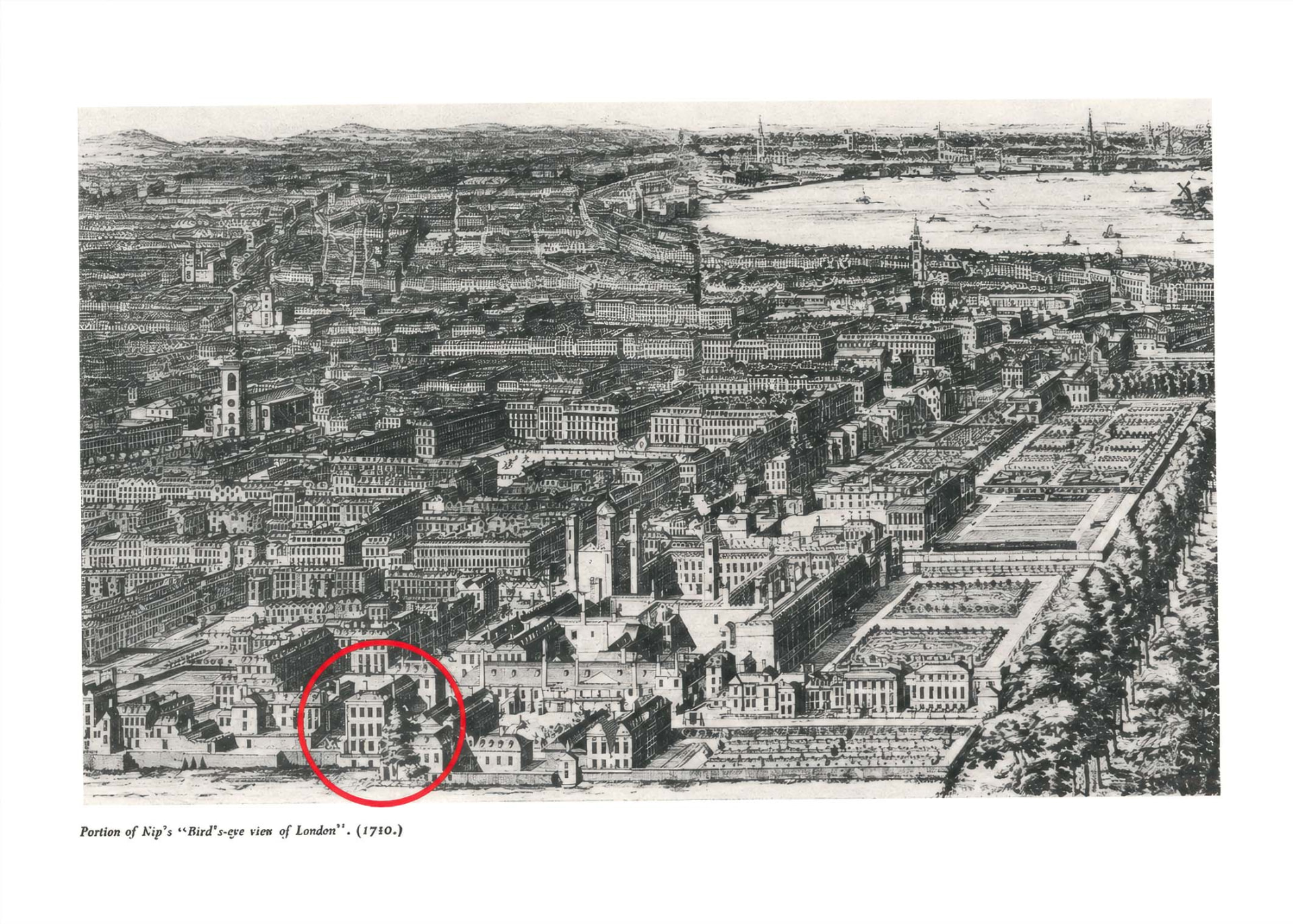
The maps reproduced in the history are particularly revealing. They place the site within an area that changed repeatedly as London expanded westwards. What had once been open land gradually became a dense arrangement of houses, courts, gardens and streets. Later historical views of London reproduced in the booklet show this transformation on a broader scale, with the future Selwyn House site identified within an increasingly established cityscape.
Across these centuries, the houses associated with the site were occupied and visited by people of historical significance. The booklet specifically records connections with John Evelyn and Samuel Pepys, placing the story of Selwyn House within the wider social history of seventeenth-century London. Rather than describing the property as a single unchanged building surviving from that period, the history traces a succession of development and occupation on the same important St. James’s site.
The surrounding urban fabric continued to evolve during the eighteenth and nineteenth centuries. Successive maps reproduced in the booklet document changes to the neighbouring streets and properties as St. James’s became increasingly formalised. The relationship between the house, Cleveland Row and the adjoining estates became part of this gradual transformation, while the site retained its close connection with the prominent houses and gardens surrounding it.
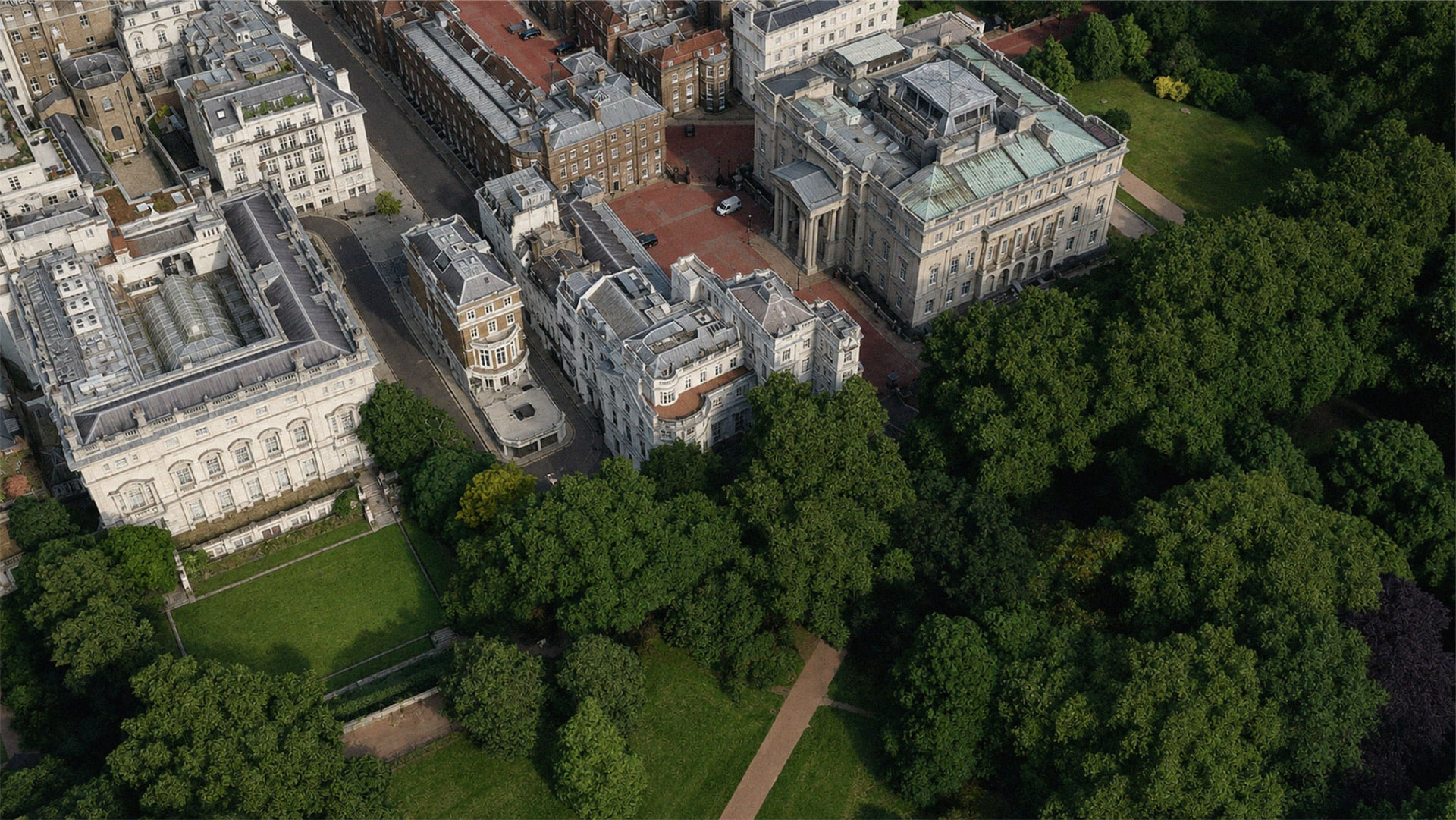
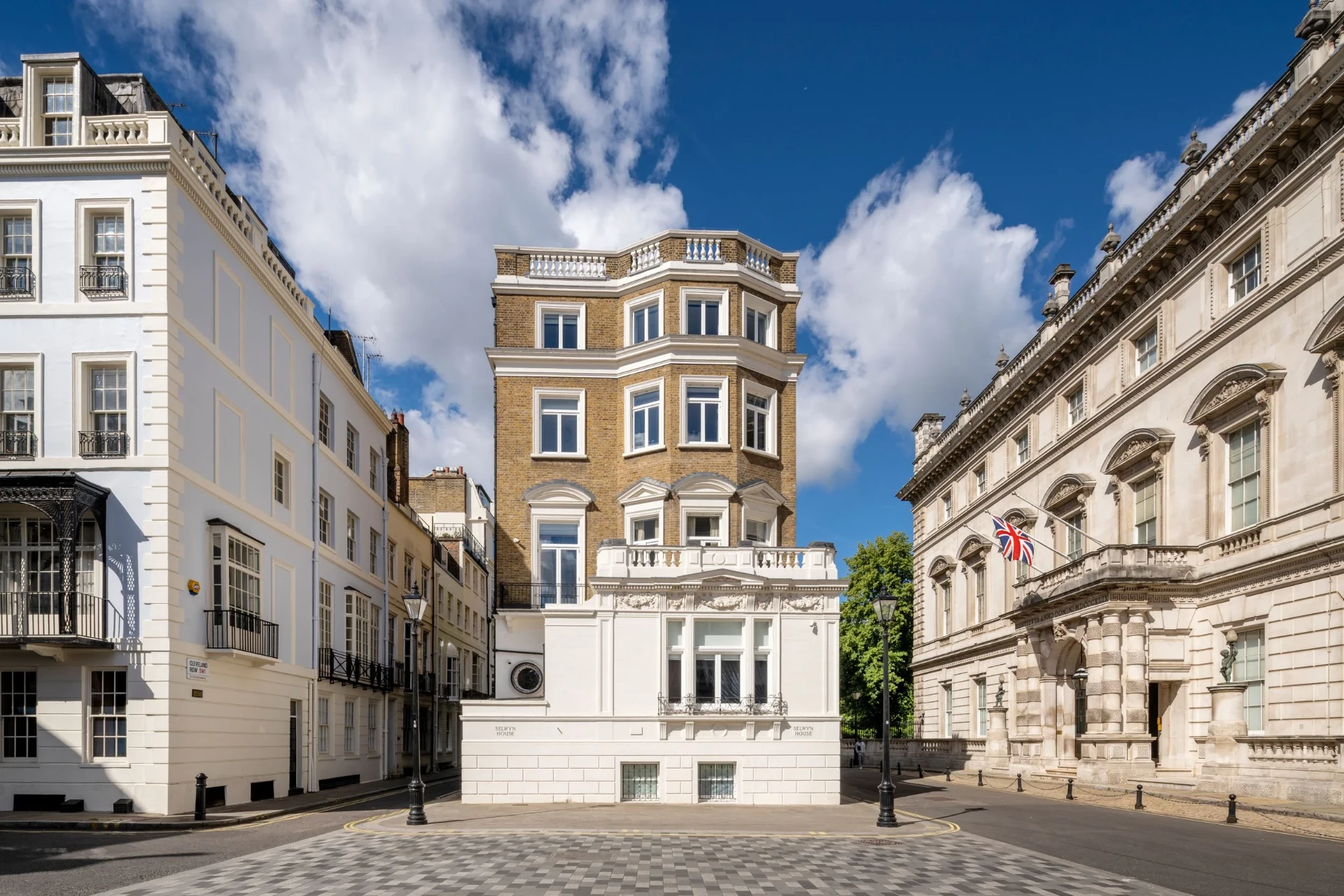
The name by which the property is known today is much more recent than the history of the site itself. “Selwyn House” was given to the property by the late Hon. Mrs. Rochfort Maguire in 1939, when Cleveland Square was incorporated with Cleveland Row. The historical account notes that the Selwyn name had already been associated for a long period with the family occupying houses on the site, and the adoption of the name preserved that connection.
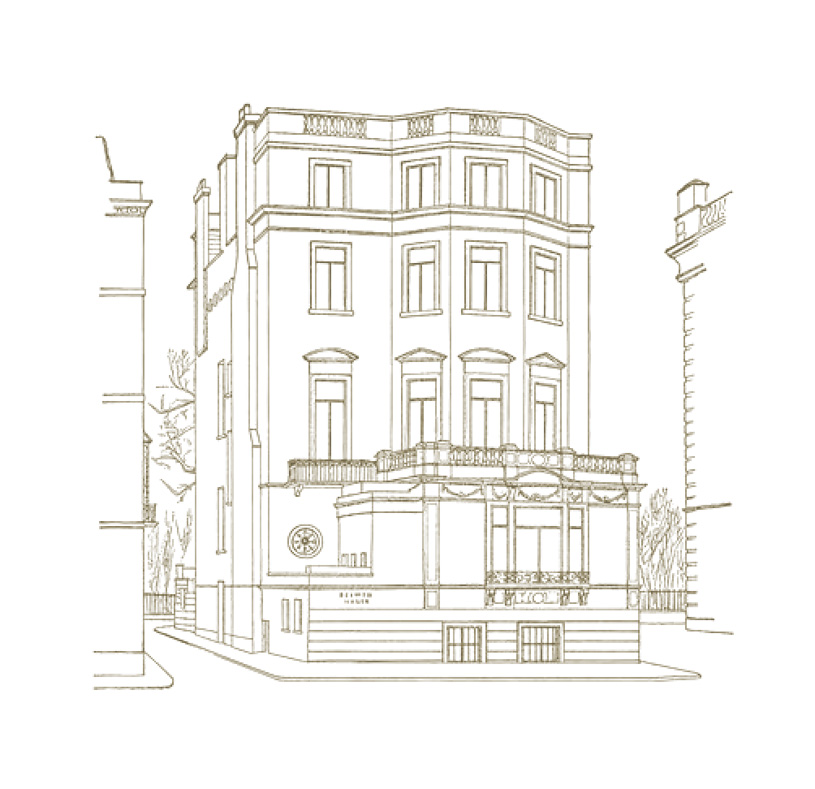
One of the final illustrations in the booklet records the appearance of Selwyn House in the twentieth century through an architectural drawing by A. S. Cook. Seen alongside the much earlier maps and panoramic views, the drawing brings the chronology back to the individual building: from open ground, through centuries of urban development, to the recognisable house occupying its prominent position in St. James’s.
Published as A Short History of Selwyn House and its Site, the booklet brings these fragments together into a record spanning several centuries. Its significance lies not only in the history of one house, but in the way a relatively small London site reflects the continuous transformation of St. James’s itself — from open land to aristocratic estates, changing streets and, ultimately, the urban setting in which Selwyn House stands today.